Nobody's Teaching Anymore: The Quiet Collapse of Creative Mentorship
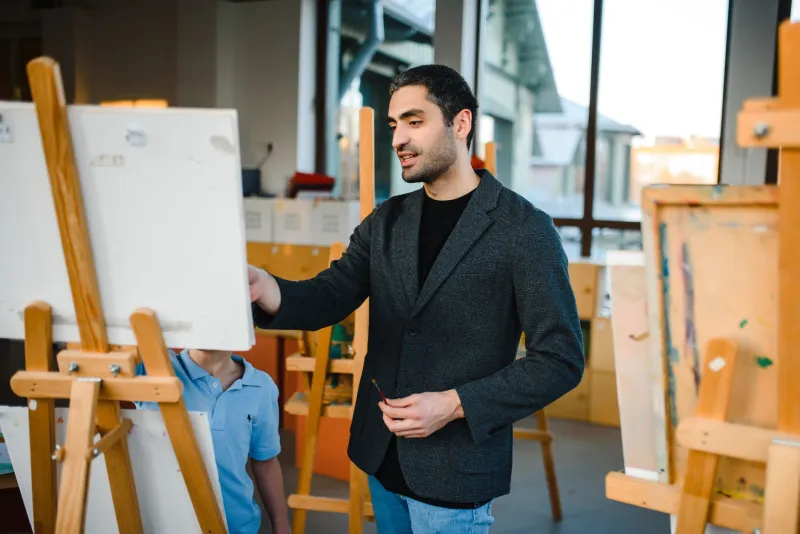
There's a particular kind of loneliness that comes with being a young creative right now. You have more access to more artists than at any point in human history. You can watch a sculptor in Kyoto work in real time, binge a painter's entire decade-long progression in an afternoon, or DM a designer whose work you've admired since high school. And yet — somehow — actually learning from someone, really learning, in the deep and uncomfortable way that changes how you make things, feels harder than ever.
That tension is worth sitting with for a minute, because it's not accidental.
The Old Architecture Is Gone and Nothing Replaced It
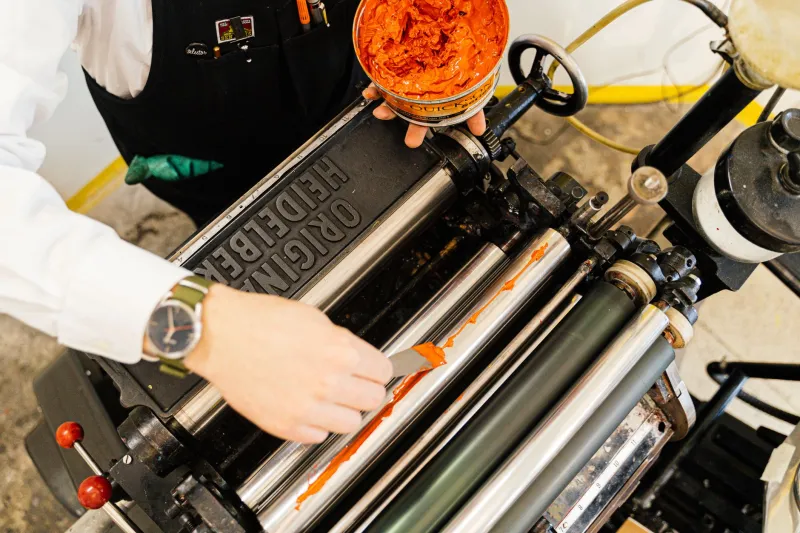
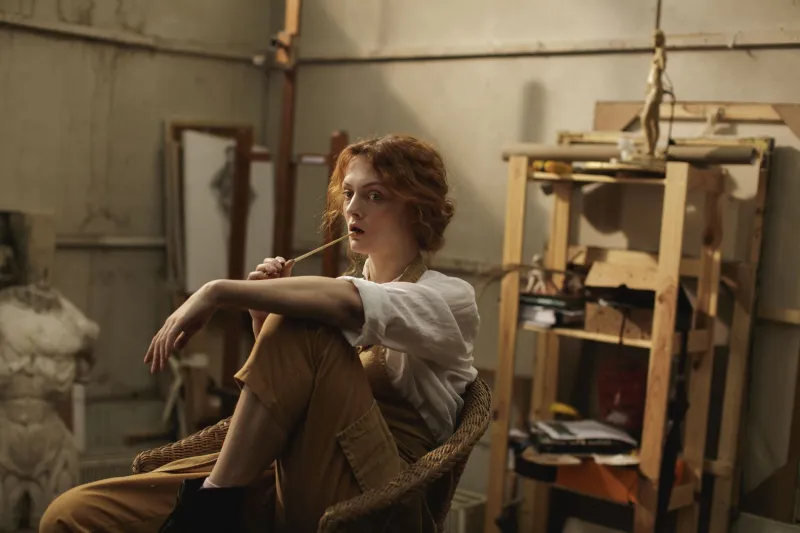
For most of art history, creative knowledge moved through bodies and proximity. You apprenticed under a printmaker. You assisted a photographer. You spent years in someone's studio, watching them make decisions, absorbing their taste, absorbing their failures. It was slow, often exploitative, frequently exclusionary — but it transmitted something real. Call it lineage. Call it craft. Whatever you call it, it required two people to be genuinely invested in each other's creative development.
That architecture didn't just erode gradually. It got demolished pretty fast. The professionalization of art schools shifted mentorship into institutions. The internet then scattered those institutions across a thousand platforms. And the creator economy — with its relentless emphasis on personal branding, audience growth, and monetizing every skill you have — finished the job.
Now the incentive structure actively works against mentorship. Time spent genuinely guiding a younger artist is time not spent making content. Vulnerability in front of a student is a liability when your reputation is a product. Admitting what you don't know is brand suicide when your whole positioning depends on being an authority.
When Mentorship Becomes Content
Here's the thing that makes this particularly thorny: mentorship didn't disappear. It just got aestheticized and packaged.
Look at the creator landscape and you'll find mentorship everywhere — courses, cohorts, mastermind groups, paid communities, Discord servers promising insider access to how the pros think. The vocabulary of guidance is everywhere. The actual transfer of it is much rarer.
The difference matters. A course teaches you what someone already knows. A mentor teaches you how to figure out what you don't know yet. One is a transaction. The other is a relationship. And relationships, messy and time-consuming and reciprocal as they are, don't scale.
What's gotten good at scaling is the performance of mentorship. The creator who shares their process in carefully edited behind-the-scenes videos. The artist who does monthly Q&As for their Patreon tier. The designer who runs a workshop where a hundred people watch them work and call it community. These aren't nothing. But they're also not what a twenty-three-year-old artist needs when she's trying to figure out whether the direction her work is taking is worth pursuing or a dead end.
For that, you need someone who'll tell you the truth. And truth-telling is genuinely hard to monetize.
The Authority Inflation Problem
There's another layer here that doesn't get talked about enough: the democratization of creative platforms didn't just open doors. It also created a kind of authority inflation that makes it nearly impossible for emerging artists to calibrate who actually knows something worth knowing.
When everyone has a following, follower count stops being a signal of expertise. When everyone teaches, having a course means nothing. When everyone talks about their process, process talk becomes noise. The result is that young creatives are swimming in advice from people whose credibility is essentially self-declared, trying to sort genuine wisdom from well-packaged mediocrity, often without enough experience to tell the difference.
This is genuinely new. In previous generations, the gatekeeping was cruel and exclusionary, but it did do one thing: it created legible hierarchies that, however unjust, helped emerging artists identify who had actually been tested by the work. Now the gates are gone — which is mostly good — but so is the signal.
What Real Mentorship Actually Requires
Ask anyone who's had a genuinely transformative creative mentor and the descriptions are remarkably consistent. It wasn't comfortable. It involved being pushed in directions you didn't want to go. It required the mentor to have enough stake in your development that they'd risk the relationship to be honest. It was, at its core, an act of care that had nothing to do with either person's brand.
That kind of mentorship still exists. It's happening in MFA programs, in working studios, in the quieter corners of creative communities that haven't fully succumbed to the attention economy. But it's increasingly rare, increasingly hard to find, and almost never the thing being advertised when someone sells you access to their creative world.
If there's a fix, it probably starts with artists being more honest about what they're actually offering — and what they're not. Saying "I'm selling you a course" instead of "I'm investing in your growth." Separating the content business from the actual human work of creative transmission.
And maybe it starts with emerging artists getting a little more skeptical. Not cynical — skeptical. Asking not just whether someone makes work you admire, but whether they're capable of caring about your work as much as you do. Whether they can sit with you in the uncertainty of not knowing yet, rather than just handing you the certainty they've already packaged for sale.
That's a higher bar. It's also the only bar that's ever produced anything worth inheriting.